
The Persian world is made up of 145 million
people among 100+ ethnic groups in
our 3 Persian-majority nations
Here are profiles on a few of the largest ethnic groups in the region.
Have data you’d like to submit or change? Contact us!
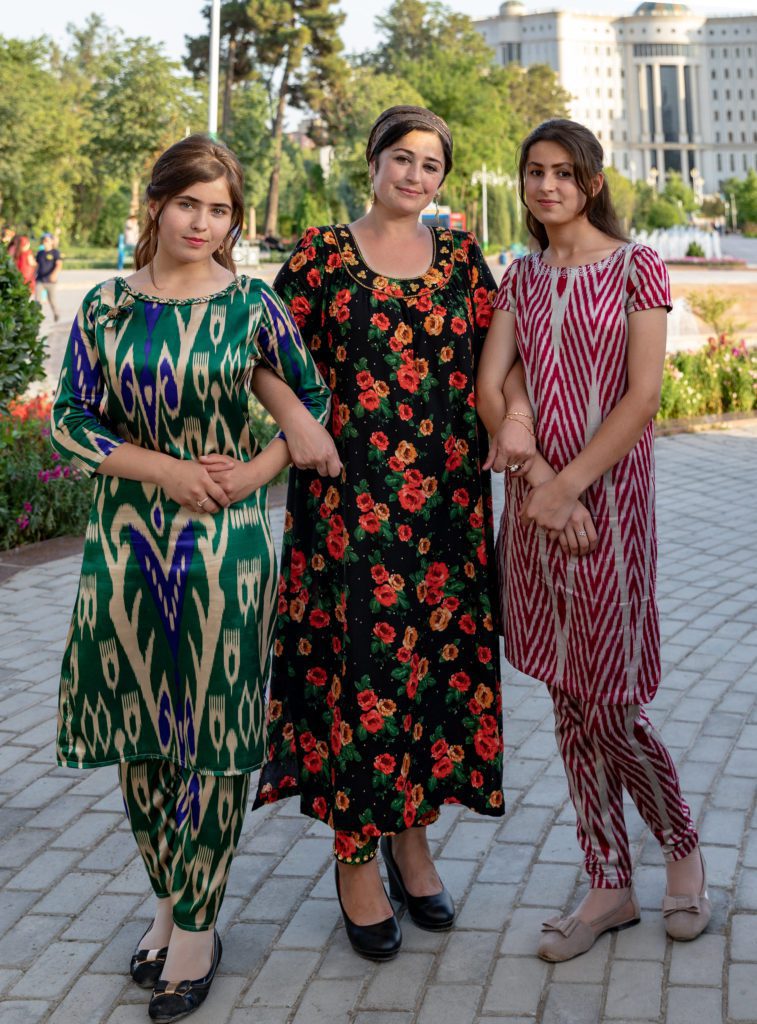
Tajikistan
Tajiks
A Persian People
The Tajiks of Central Asia are one of the oldest surviving people groups in the region. Their modern-day homeland, Tajikistan, is the mountainous center of Central Asia, surrounded by China, Uzbekistan, Kyrgyzstan and Afghanistan. Yet, even though Tajikistan is seen as the home of Tajiks, more Tajiks live in Afghanistan than anywhere else, where they number 11 million+ and simply call themselves Afghans. Tajiks have a strong sense of identity, even if they are split among nations. They are proud of their heritage culture, which is a mix of Persian and Central Asian influences.
Language
Faith
Population
IRAN
Irani Persians
A Persian people
The Persians of Iran are an ethnic group who comprise over half of the population of the Islamic Republic of Iran. They share a common cultural system and are native speakers of the Persian language as well as of the languages that are closely related to Persian. Iranian Persians descended from ancient Iranian peoples who migrated to the Iranian plateau, possibly from the Caucasus or Central Asia. They were originally a nomadic people, but they eventually settled in the region of Persis (in the modern-day Iranian province of Fars) and founded the Achaemenid Empire, one of the largest and most powerful empires in history.
Language
Faith
Population
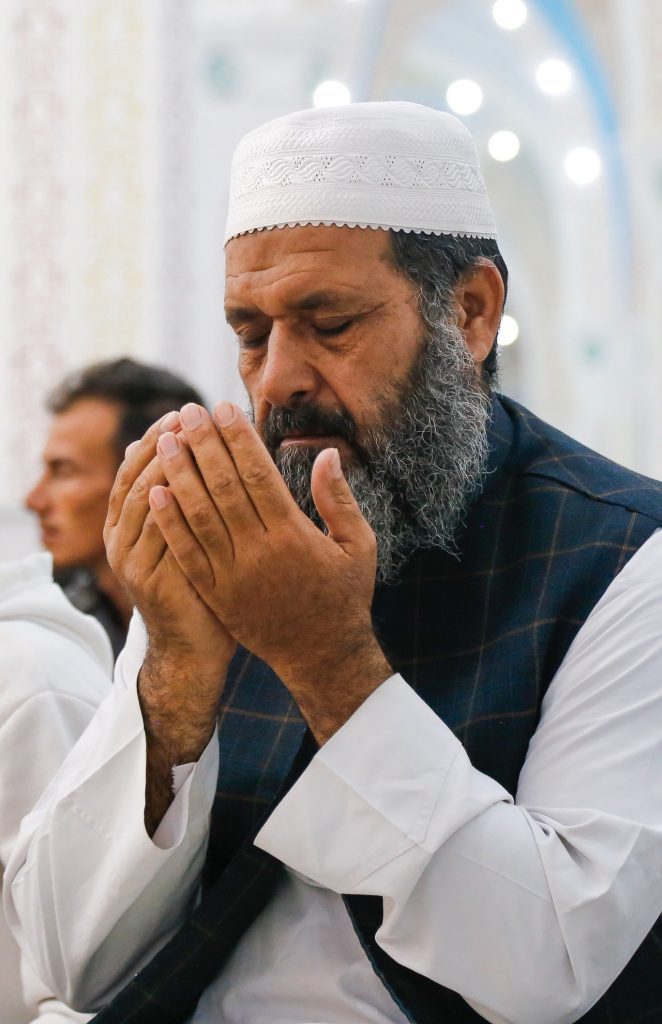
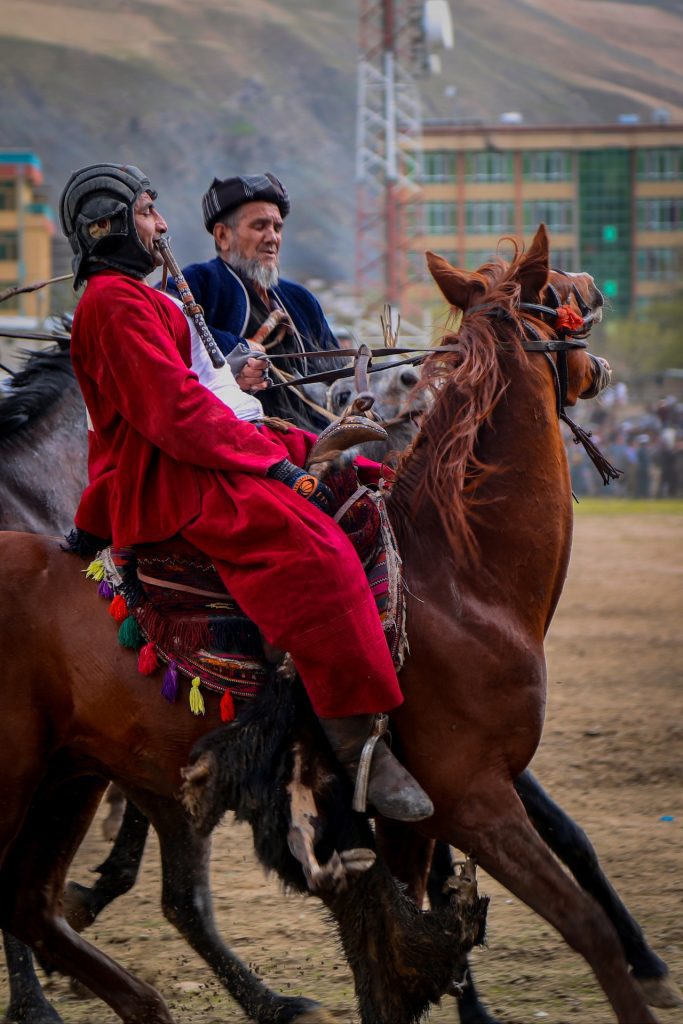
Afghanistan, Iran
Pashtuns
A Persian People
Pashtuns, also known as Pakhtuns or Pathans, are an Eastern Iranian ethnic group native to southern Afghanistan and northwestern Pakistan. The group’s native language is Pashto, an Indo-Iranian language.
The total population of the Pashtun people worldwide is estimated to be around 49 million, although this figure is disputed due to the lack of an official census in Afghanistan since 1979. They are the largest ethnic group in Afghanistan and the second-largest ethnic group in Pakistan. Pashtuns are a warrior people with a strong sense of honor and hospitality. They are also known for their fierce independence and their love of freedom.
Language
Faith
Population
Afghanistan, Tajikistan
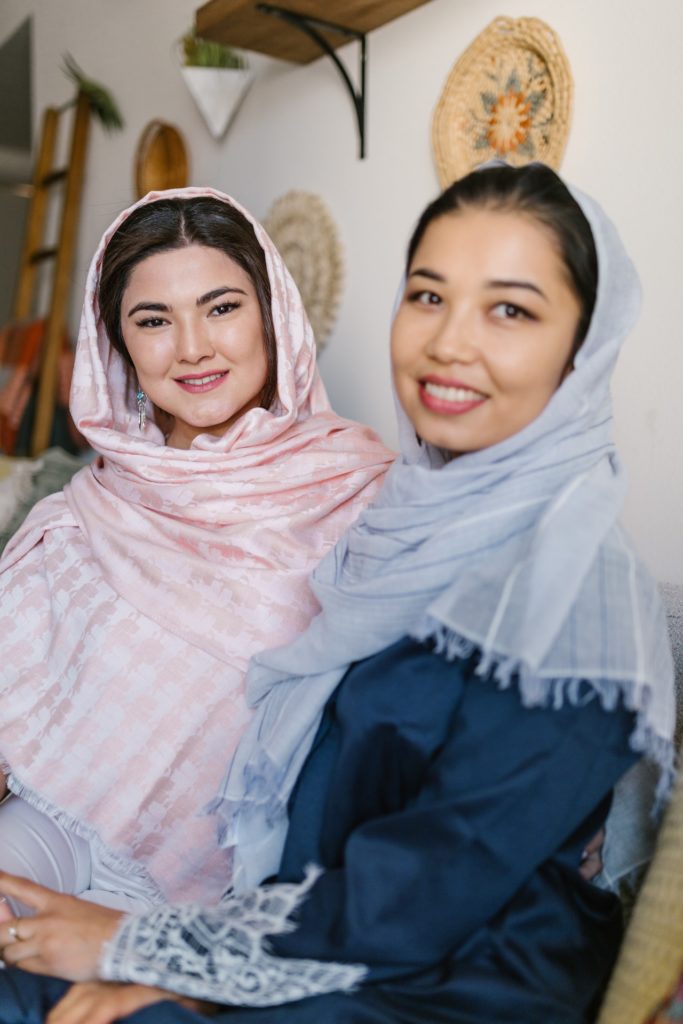
Uzbeks
Turkic peoples
The term Uzbek, meaning “master of himself”, accurately describes this people group. The earliest ancestors of the Uzbeks – Central Asian Turks – aided Genghis Khan in his conquest of Eastern Europe in the 1300s. Eventually, as unity between the Turks and Mongols faded, there were numerous warring kingdoms that emerged. It was from several of these kingdoms that the Uzbeks descended. As time progressed, they developed their own language and culture, though it is like the others in Central Asia. Today, most Uzbeks live in Uzbekistan, with up to 15 million scattered throughout Tajikistan and Afghanistan.
Language
Faith
Population

Iran
Kurds of Iran
A Persian People
The Kurds are one of the indigenous peoples of the Mesopotamian plains and the highlands in what are now south-eastern Turkey, north-eastern Syria, northern Iraq, north-western Iran and south-western Armenia. Between 25 and 35 million Kurds inhabit the mountainous regions straddling the borders of Turkey, Iraq, Syria, Iran and Armenia. They make up the fourth-largest ethnic group in the Middle East, but they have never obtained a permanent nation state.
Language
Faith
Population
Afghanistan, Iran
Hazara
Turk-Mongolic peoples
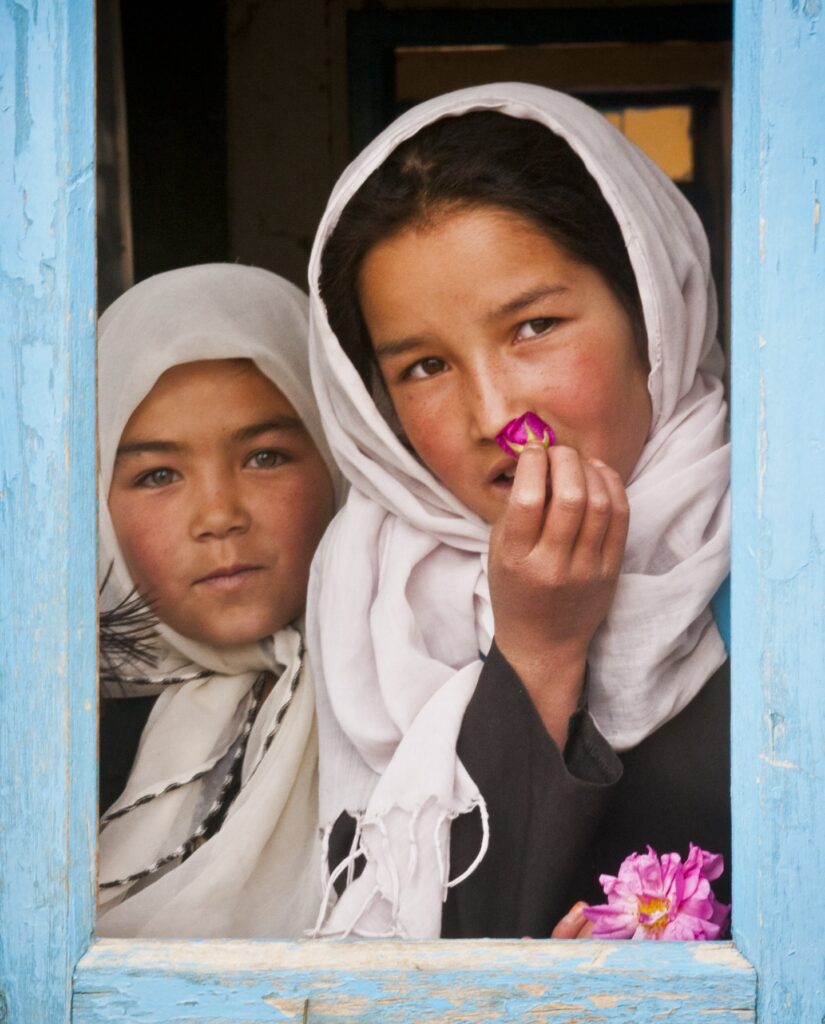
The Hazaras are one of the largest ethnic groups in Afghanistan. They live mainly in central Afghanistan, with half a million in Iran. Linguistically, the Hazara speak the Dari and Hazaragi dialects of the Persian language. Hazaragi is closely related to Dari, yet includes many Turkic and Mongolic words. The Hazara are mostly Shi’a Muslims, with some Sunni and Isma’ili. Hazaras make up 15% of Afghanistan’s population yet have faced much persecution and discrimination over the past century.
Language
Faith
Population
Iran
The Azeri
A Turkic People
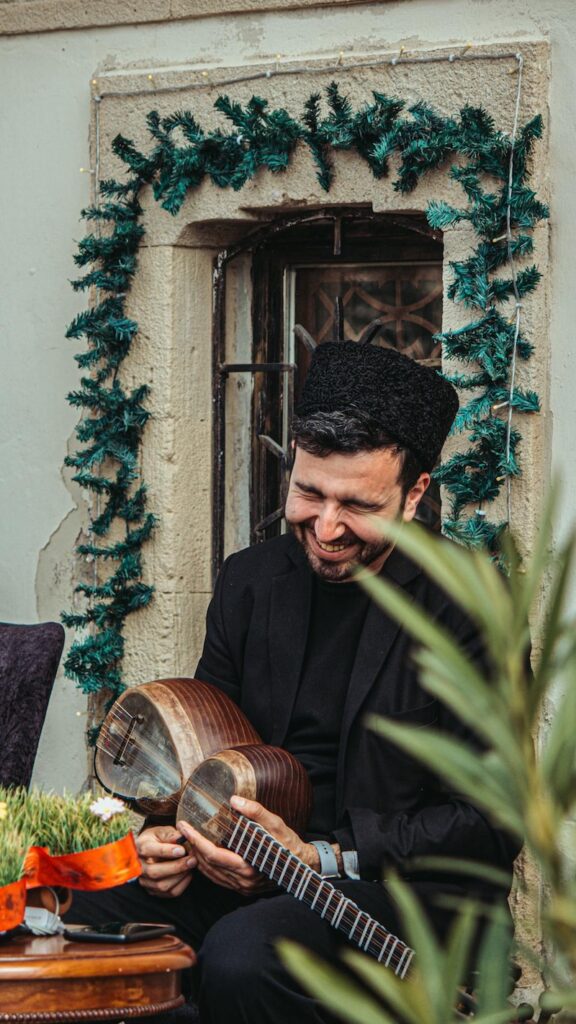
Iranian Azerbaijanis are the largest ethnic minority of Iran. Azeris comprise nearly 16 per cent of the overall population of Iran and almost 3 times the population of neighboring Azerbaijan. The Azeri people are mainly Shi’a and because of this – as well as their large population and vicinity to the centre of power in Tehran – have generally been the least troubled of Iran’s minorities.
Language
Faith
Population
Iran
Lurs of Iran
A Persian people
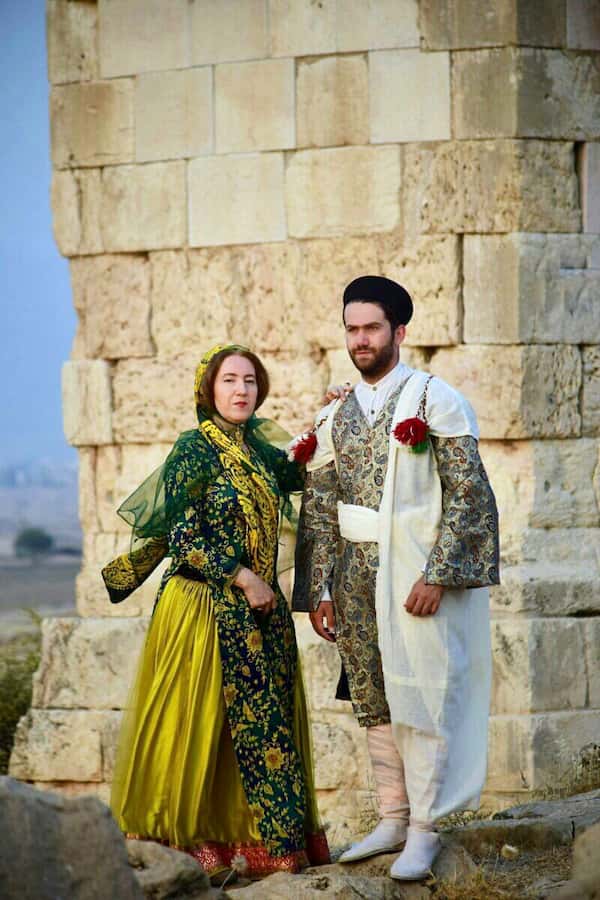
The Lurs are an Iranian ethnic group living primarily in the western and southwestern regions of the Zagros Mountains of Iran. They speak Luri, a language closely related to Persian and Middle Persian. Historically, most Luri groups were nomadic, moving from place-to-place with their livestock between high summer pastures and lowland winter quarters, though the vast majority have transitioned to settled village and urban life in modern times.
Language
Faith
Population
Afghanistan
Aimaqs
Iranian & Turkic People
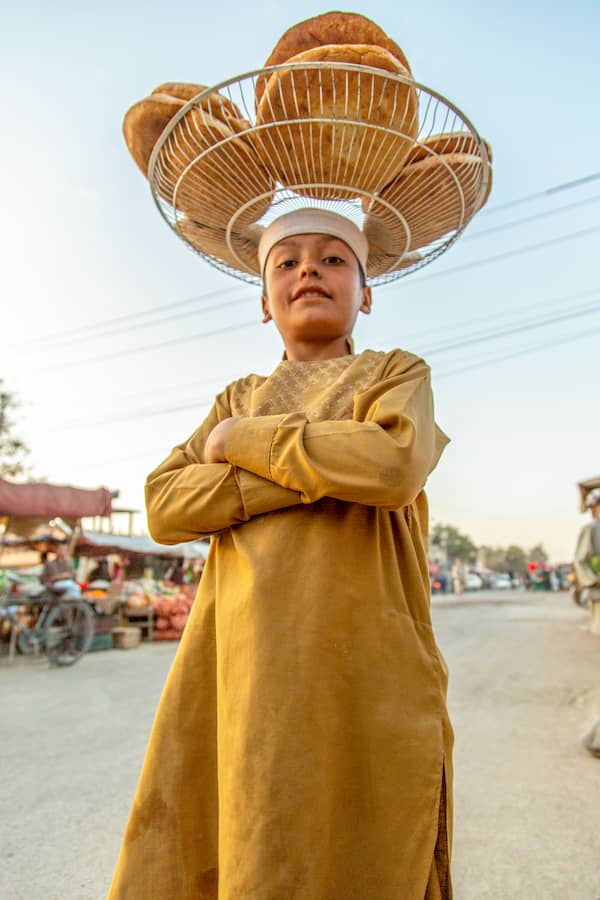
The Aimaqs are a confederation of semi-nomadic and settled tribes living in the western and northwestern highlands of Afghanistan. Though historically of mixed Iranian and Turkic ancestry, they speak distinctive dialects of Persian. Traditionally, Aimaq society is organized around patriarchal clans residing in unique round felt tents (yurts) or mud-brick villages, depending on the season, earning a livelihood through livestock raising and carpet production.
Language
Faith
Population
More people group profiles coming soon
Have a suggestion? Let us know